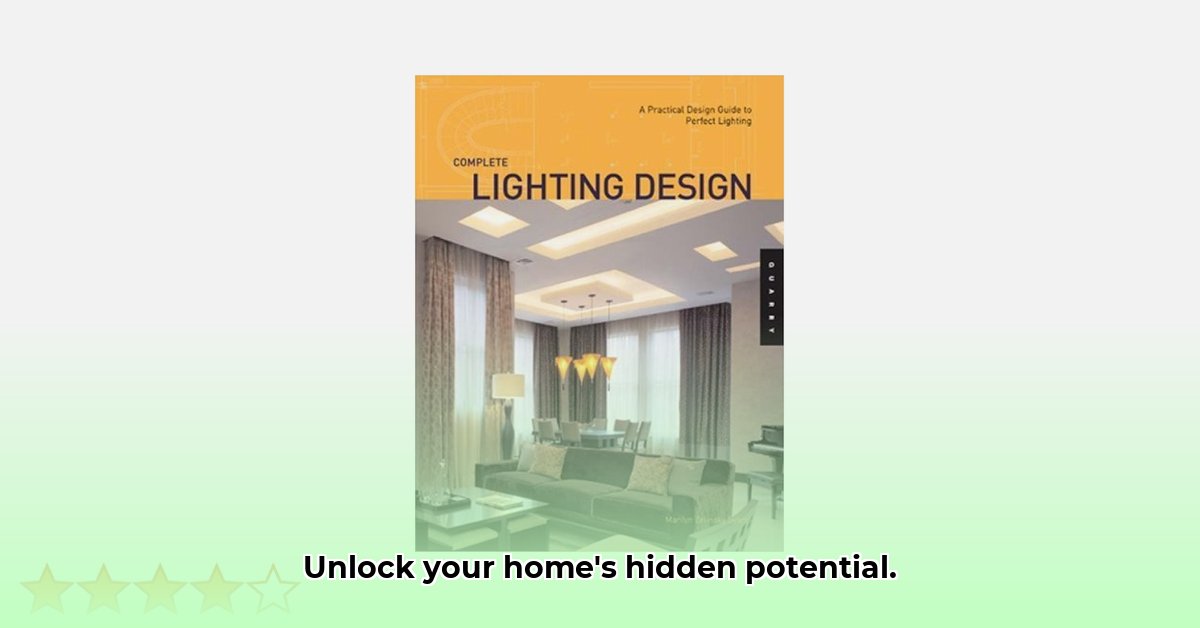
Interior Lighting Design: Illuminating Your Home's Potential
Good lighting isn't just about seeing; it's about feeling. It sets the mood, highlights your style, and even makes your home feel more spacious and inviting. This guide will empower you to create the perfect lighting scheme, regardless of your electrical expertise. We'll demystify layered lighting, a simple yet powerful technique to transform your home. For more information on lighting basics, check out this helpful guide: Learn more about lighting.
Understanding Layered Lighting: The Key to Ambiance
Forget single overhead lights! Layered lighting is the secret to a truly stunning and functional space. It's all about combining three key lighting types: ambient, task, and accent. Think of it as building a lighting "sandwich," each layer contributing to the overall effect.
Ambient Lighting (The Base Layer): This provides overall illumination, setting the room's tone. Think soft, diffused light from a ceiling fixture, such as a chandelier or recessed lights. It creates a comfortable backdrop for other layers.
Task Lighting (The Functional Layer): This focused light allows you to do things. This includes desk lamps for working, reading lights next to your favorite chair, and under-cabinet lighting in the kitchen. This ensures optimal visibility for targeted tasks.
Accent Lighting (The Dramatic Layer): This is the highlight reel! Use it to draw attention to artwork, architectural features, or plants. Strategically placed spotlights or a stylish floor lamp instantly add personality.
Combining these layers creates depth and dimension, making your home feel more welcoming and alive. Did you know that properly layered lighting can even make a room feel larger?
Lighting Each Room: A Room-by-Room Guide
Each room deserves a unique lighting plan. Let's explore common spaces and how to light them effectively:
Living Room: Relaxation and Gathering
The living room is the heart of the home. You'll want a blend of all three layers. A statement chandelier offers ambient lighting, floor lamps provide task lighting for reading or conversation, and accent lights highlight artwork or architectural features. Dimmers are essential; they let you effortlessly adjust the mood from lively to cozy.
Kitchen: Functionality Meets Flair
The kitchen requires bright, focused task lighting for safety and efficiency. Under-cabinet lighting is key for food prep, while overhead lights provide general illumination. Accent lighting adds a touch of style; consider pendants over an island or recessed lights highlighting backsplashes.
Bedroom: A Haven of Calm
The bedroom should be a sanctuary. Soft ambient lighting dominates here. A bedside lamp for reading, perhaps a dimmer switch, and—crucially—avoid harsh overhead lights. Soft, warm tones encourage relaxation and better sleep. Don't underestimate the power of mood lighting to create an atmosphere that promotes rest.
Bathroom: Bright and Inviting
Even lighting is crucial in the bathroom. Task lighting near the vanity mirror is essential for clear visibility, while ambient lighting prevents shadows. A light-colored scheme helps keep the space feeling open and airy.
Remember, these are guidelines, not strict rules. Experiment and personalize your space to truly reflect your style!
Color Temperature: Warm or Cool?
Color temperature, measured in Kelvin (K), significantly impacts mood.
Warm White (2700K-3000K): Evokes cozy candlelight, ideal for relaxing spaces like living rooms and bedrooms.
Cool White (5000K-6500K): More energizing, better suited for kitchens and bathrooms where bright light is needed.
Experiment to find the perfect balance for each room.
Placement is Key: Maximize Your Lighting's Impact
Light placement is as important as fixture selection!
- Avoid harsh shadows: Use multiple sources for even distribution.
- Target tasks: Direct task lighting to specific areas.
- Highlight features: Use accent lighting strategically.
- Consider ceiling height: Choose fixtures that complement your ceiling height.
Energy Efficiency: Save Money and the Planet!
LED bulbs are the most energy-efficient and long-lasting option. While CFLs offer energy savings, LEDs ultimately offer superior performance and longevity. They are environmentally friendly and will save you money on your energy bills.
When to Consult a Professional
While many lighting projects are DIY-friendly, some warrant professional help:
- Major renovations involving complex electrical work.
- Advanced lighting systems with automated controls.
- Challenging spaces requiring specialized expertise.
A Quick Reference Guide to Lighting Terms
| Term | Description |
|---|---|
| Ambient Lighting | Overall room illumination; sets the mood. |
| Task Lighting | Focused light for specific tasks. |
| Accent Lighting | Highlights features; adds visual interest and drama. |
| Kelvin (K) | Measures color temperature; lower K is warmer, higher K is cooler. |
| Lumen (lm) | Measures light output; higher lumens mean brighter light. |
This guide provides valuable tools to transform your home's lighting. Remember, your home should reflect your personality, so have fun experimenting!
How to Choose Layered Lighting Fixtures for Energy Efficiency and Mood
Key Takeaways:
- Layered lighting creates optimal function and ambiance.
- Energy efficiency is crucial; LEDs are the superior choice.
- Color temperature impacts mood.
- Smart lighting offers unparalleled control.
- Professional expertise enhances complex projects.
Layered Lighting: Beyond a Single Overhead Light
Layered lighting isn't just about brightness; it's about creating depth and atmosphere. It's about a harmonious blend of lighting types, each contributing to the overall impact.
The Layers of Light: A Detailed Breakdown
Ambient Lighting: The foundational layer, providing overall illumination. Examples include recessed lighting, chandeliers, or strategically placed floor lamps.
Task Lighting: Illuminates specific areas for focused activities. This includes desk lamps, pendants over kitchen islands, or under-cabinet lighting.
Accent Lighting: Highlights architectural details, artwork, or plants. Consider using track lighting, picture lights, or spotlights.
Decorative Lighting: Purely aesthetic, adding character to a room. Think unique table lamps or stylish pendant fixtures.
Smart Lighting: Offers incredible control over brightness, color, and even pre-set scenes, enhancing convenience and customization.
Choosing Energy-Efficient and Mood-Setting Fixtures
Step-by-Step Guide:
Assess Your Needs: Consider room activities, desired mood, and budget. Think about how you'll use each space.
Select Fixtures: Opt for energy-efficient LEDs and consider fixture styles. Choose the right brightness (lumens).
Strategic Placement: Ensure even illumination from ambient lights, focused task lighting, and highlighted accents.
Embrace Smart Lighting (Optional): Smart bulbs and dimmers provide superior control.
Color Temperature Selection: Warmer tones (2700K-3000K) for relaxation, cooler temperatures (500K-6500K) for energy.
Maximizing Energy Efficiency: The LED Advantage
LEDs are the clear winner for energy efficiency and longevity, offering significant long-term savings over other options.
Transforming Your Home with Light: The Final Word
Layered lighting transcends mere illumination; it creates an experience. It shapes a space that's both functional and inviting, reflecting your taste and needs. With thoughtful planning and the right choices, you can transform your home into a haven of light and comfort.